
Currículum
Tema 08. Picaduras de insectos, infestaciones e infecciones por protozoos
1. PICADURAS DE INSECTOS
0/4

2. HIMENOPTEROS
0/1
3. ORUGAS Y ESCARABAJOS
0/1
4. PICADURAS Y MORDEDURAS POR ARÁCNIDOS
0/3
5. INFESTACIONES: SARNA Y PIOJOS
0/2
6. INFECCIONES POR PROTOZOOS
0/1
7. BIBLIOGRAFÍA
0/1
Imágenes tema

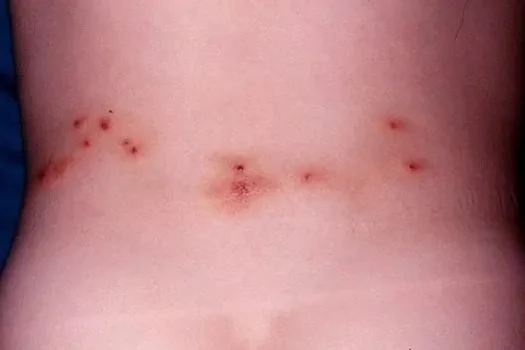
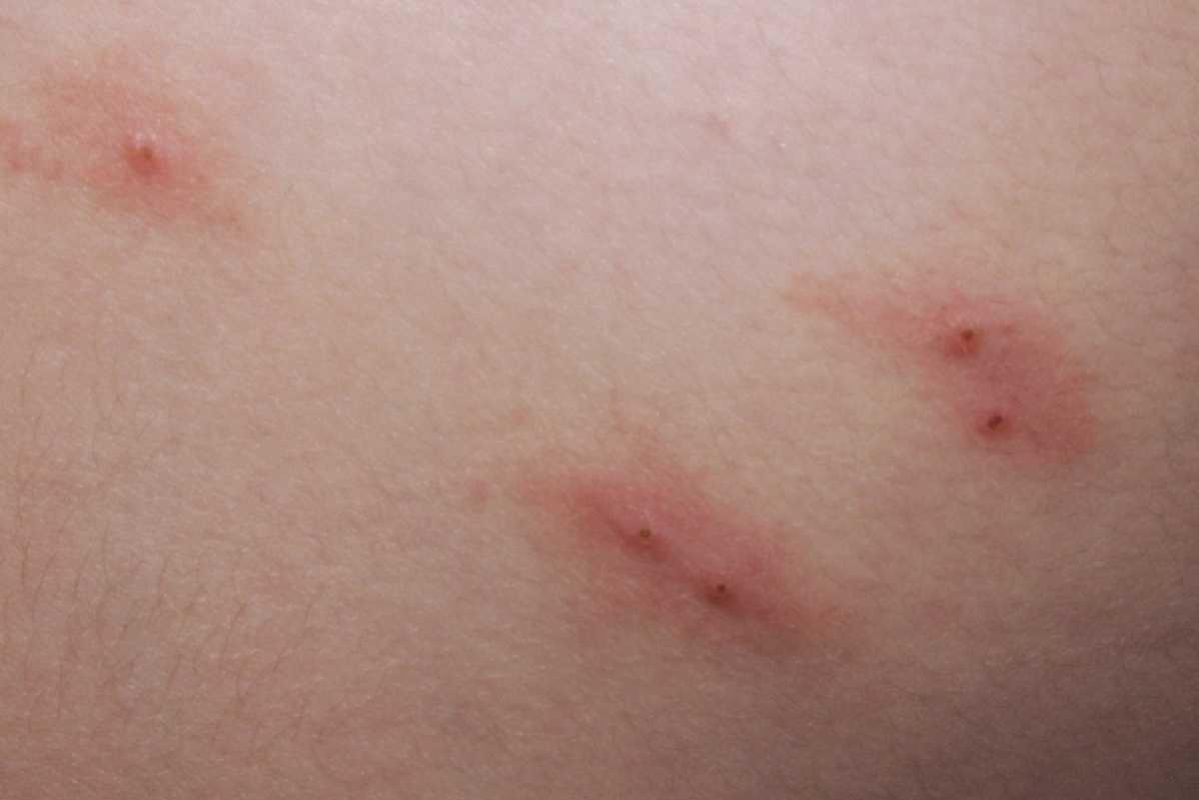
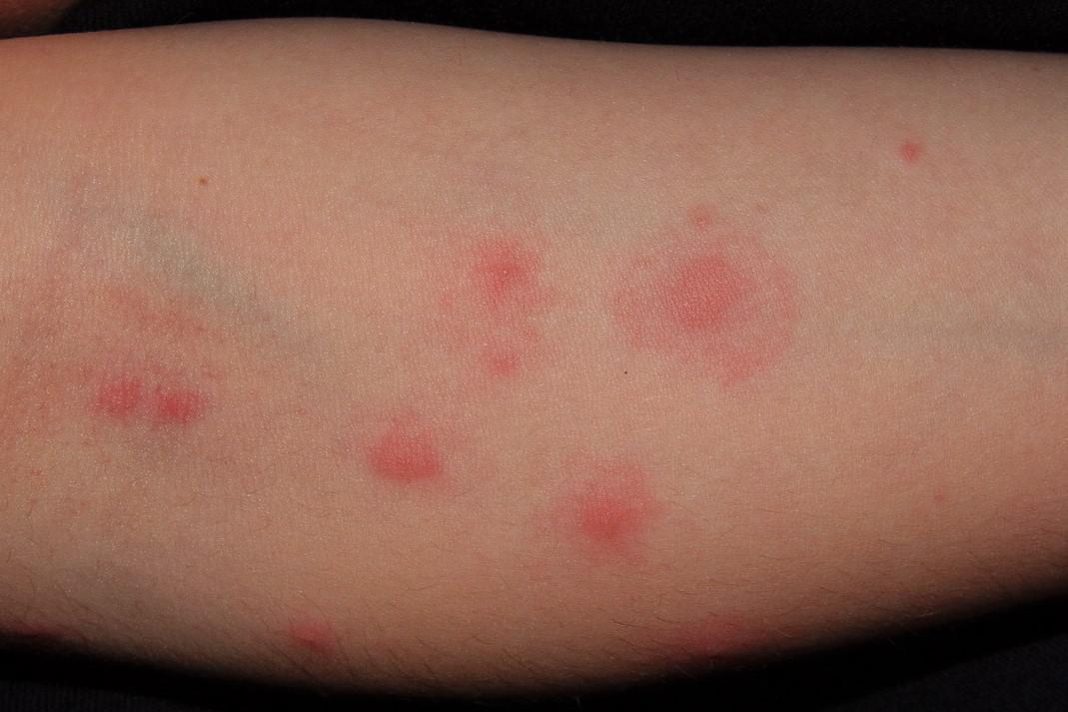
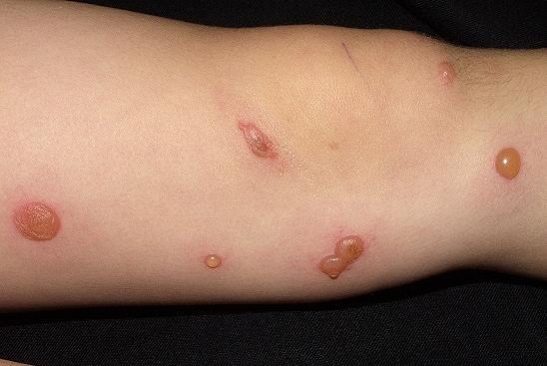
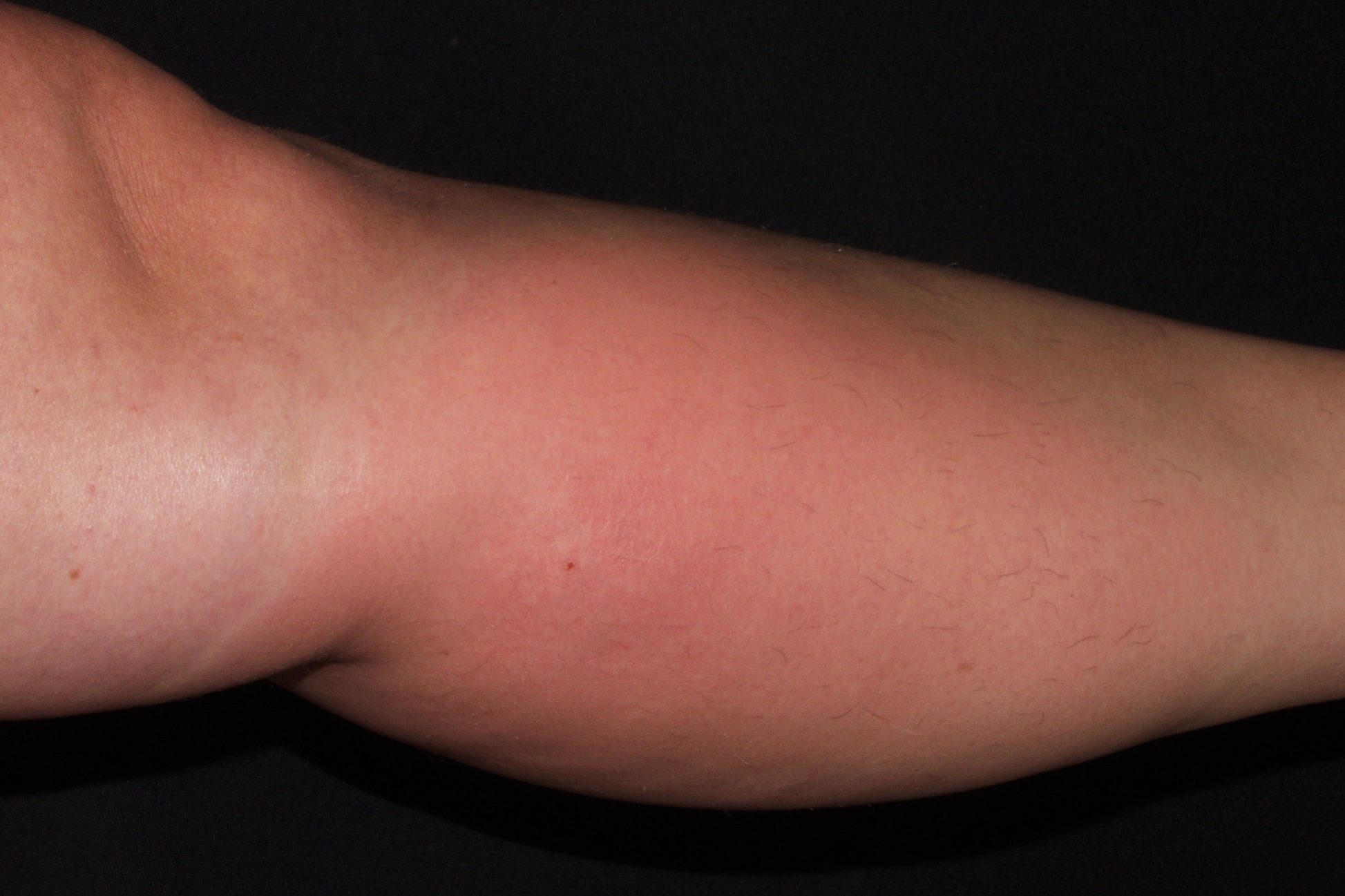
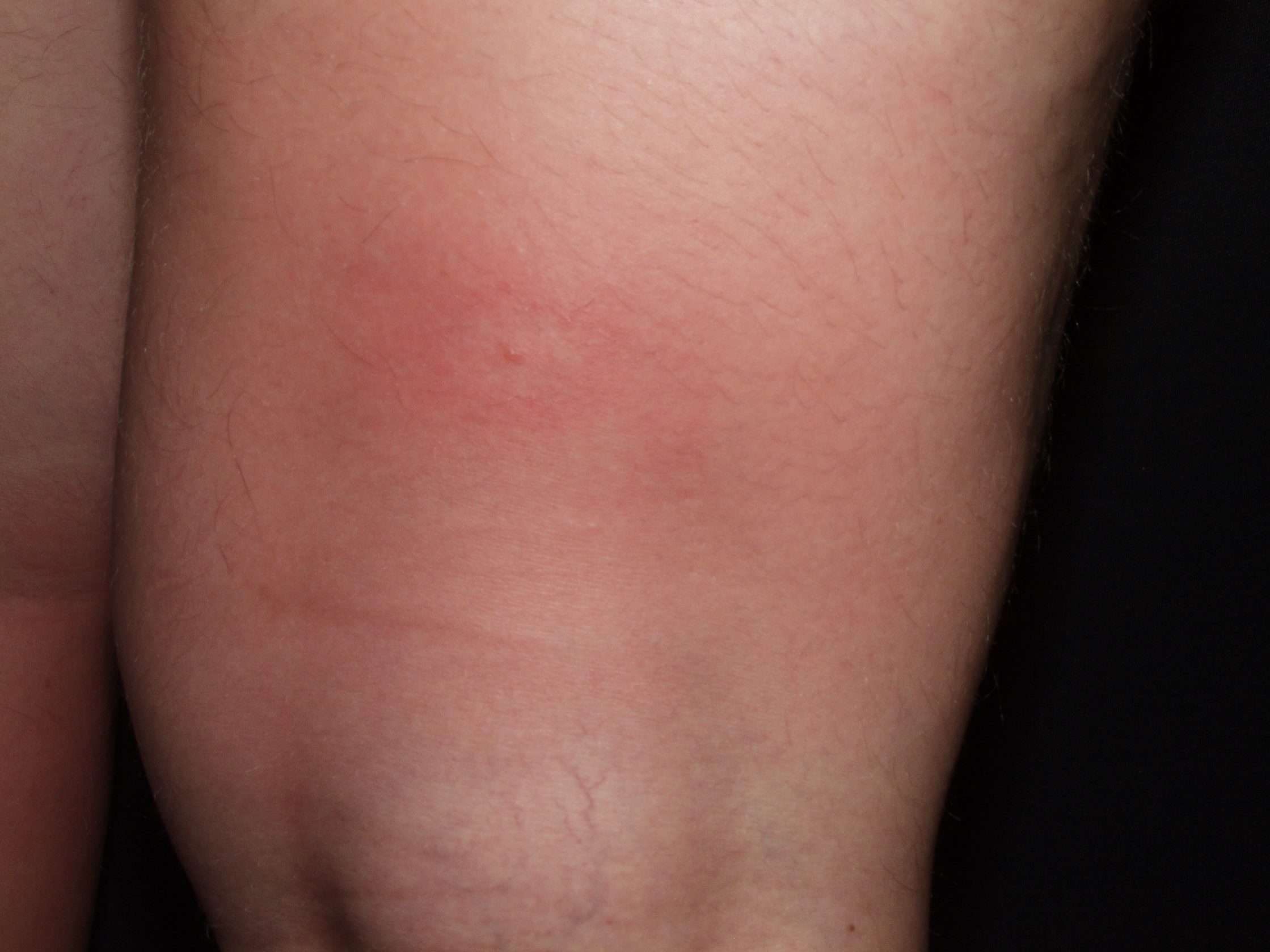
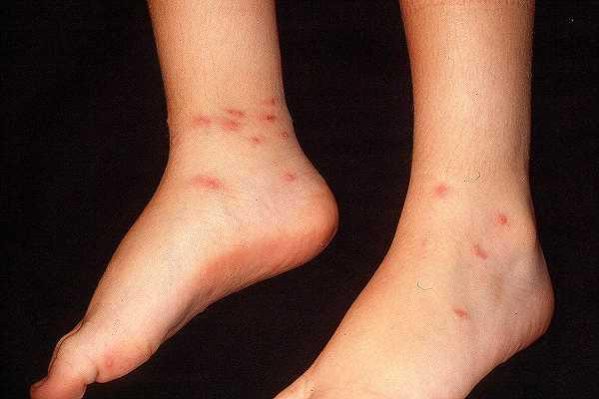
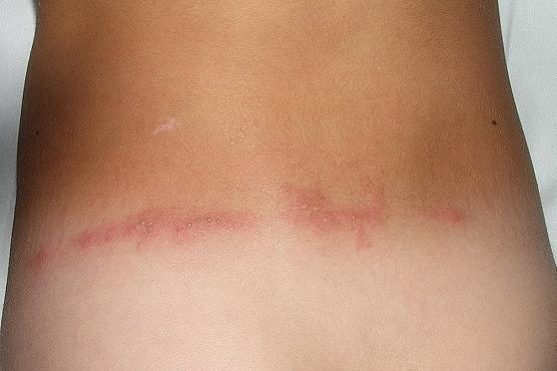
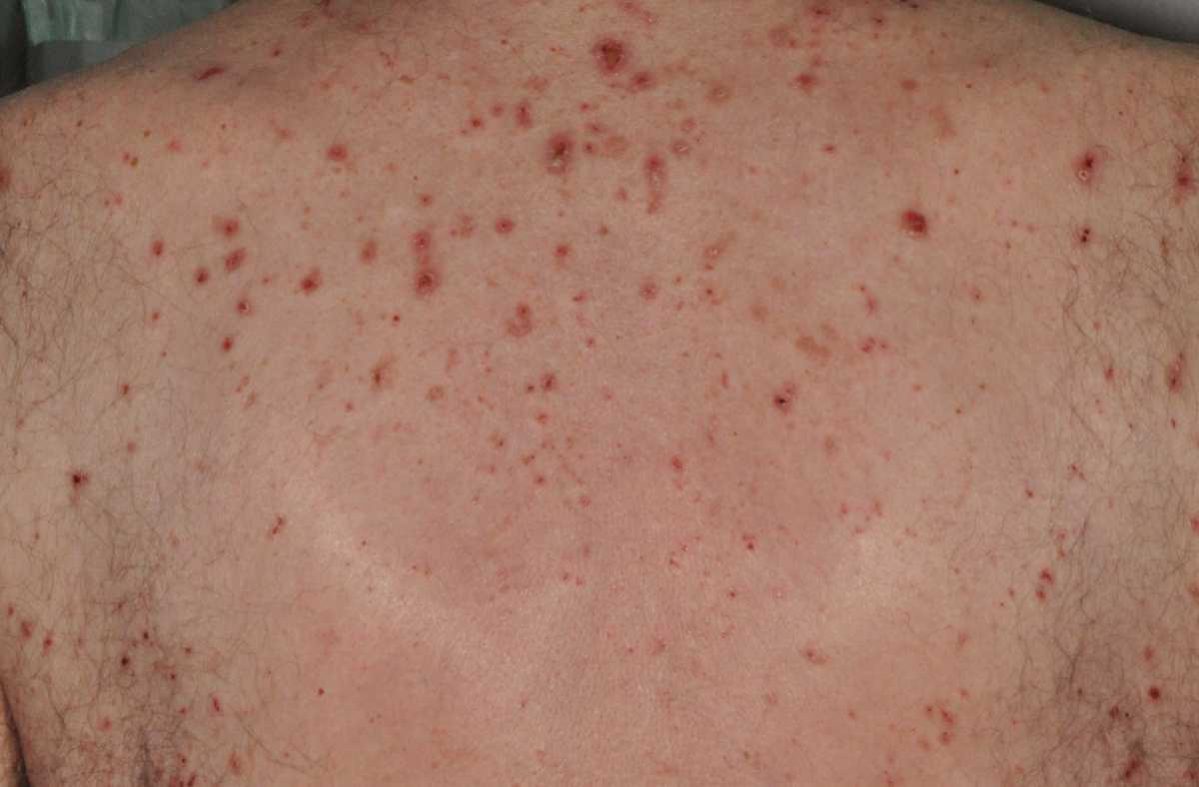
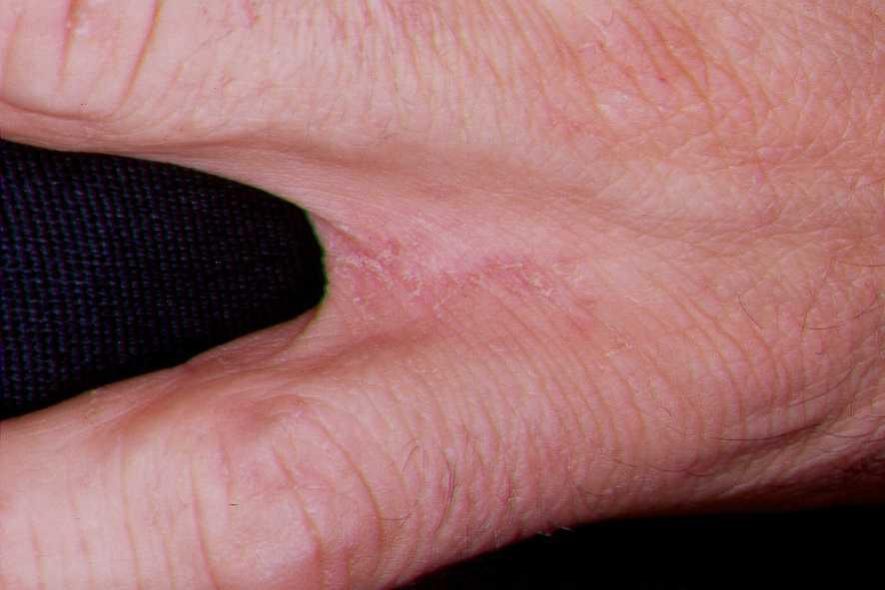
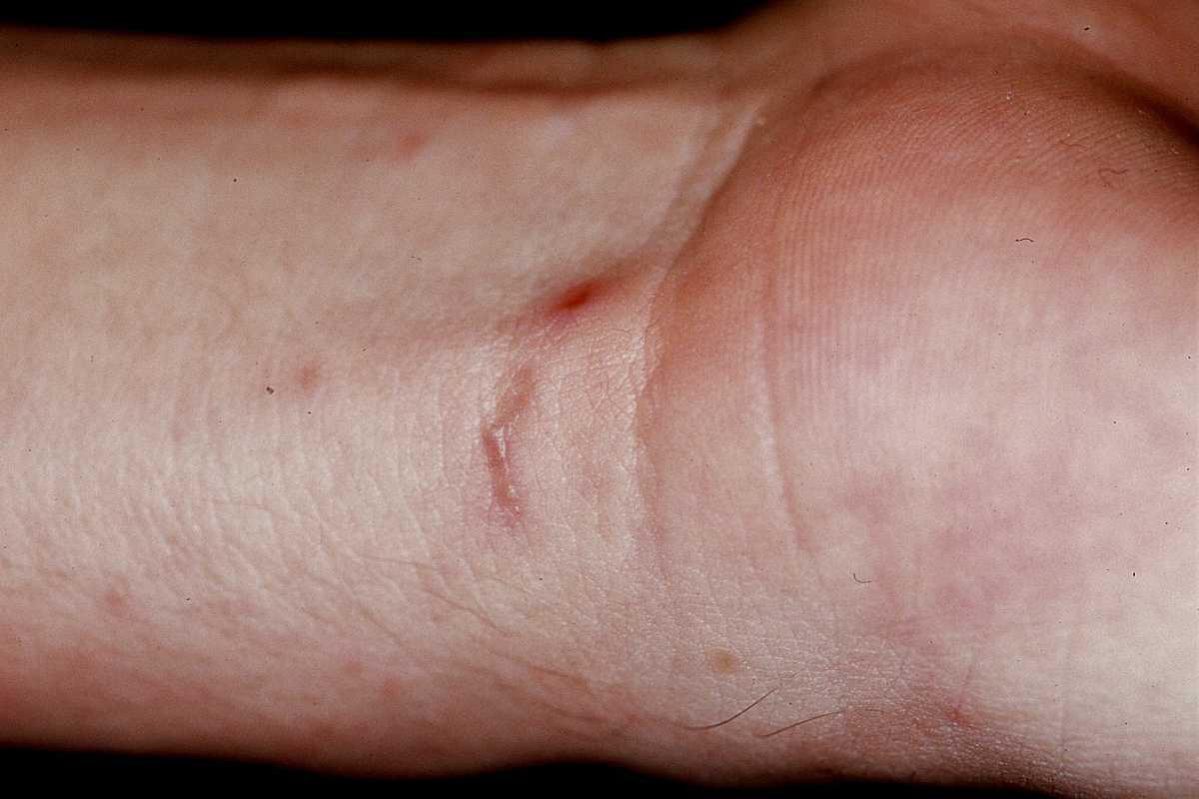
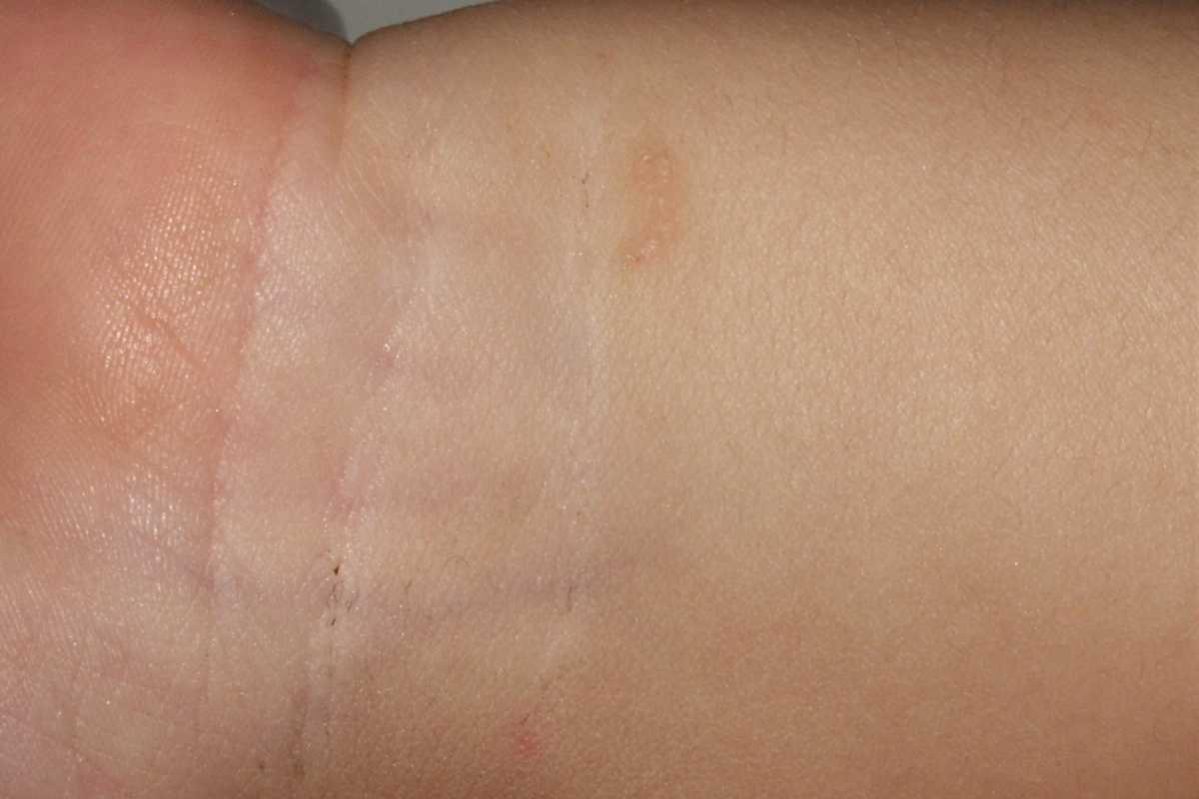
7. Bibliografía
–Juckett G. Arthropod bites. Am Fam Physician. 2013; 88:841-7.
-Haas H, Tran A. Allergie aux piqûres de moustiques. Arch Pediatr. 2014; 21:913-7.
–Pérez-Vanzzini R, González-Díaz SN, Arias-Cruz A, Palma-Gómez S, Yong-Rodríguez A, Gutiérrez-Mujica JJ, García-Calderín D, Ibarra JA. Hipersensibilidad a la picadura de mosquito manifestada como síndrome de Skeeter. Rev Alerg Mex. 2015; 62:83-7.
-Oka K, Ohtaki N, Igawa K, Yokozeki H. Study on the correlation between age and changes in mosquito bite response. J Dermatol. 2018; 45:1471-1474.
–Goodyer L, Song J. Mosquito bite-avoidance attitudes and behaviors in travelers at risk of malaria. J Travel Med. 2014; 21:33-8.
-Harman DW, Halliwell REW, Greiner EC. Flea species from dogs and cats in north-central Florida. Vet Parasitol 1987; 23:135-40.
–Sousa CA. Fleas, flea allergy, and flea control: a review. Dermatol Online J. 1997; 3:7.
-Packianathan R, Colgan S, Hodge A, Davis K, Six RH, Maeder S. Efficacy and safety of sarolaner (Simparica®) in the treatment and control of naturally occurring flea infestations in dogs presented as veterinary patients in Australia. Parasit Vectors. 2017; 10:387.
-Ibrahim O, Syed UM, Tomecki KJ. Bedbugs: Helping your patient through an infestation. Cleve Clin J Med. 2017; 84:207-211.
-Kolb A, Needham GR, Neyman KM, High WA. Bedbugs. Dermatol Ther. 2009; 22:347-52.
–Branstetter MG, Danforth BN, Pitts JP, Faircloth BC, Ward PS, Buffington ML, Gates MW, Kula RR, Brady SG. Phylogenomic Insights into the Evolution of Stinging Wasps and the Origins of Ants and Bees. Curr Biol. 2017; 27:1019-1025)
–Ruiz Oropeza A, Mikkelsen S, Bindslev-Jensen C, Mortz CG. Pre-hospital treatment of bee and wasp induced anaphylactic reactions: a retrospective study. Scand J Trauma Resusc Emerg Med. 2017; 25:4.
-Witharana EW, Wijesinghe SK, Pradeepa KS, Karunaratne WA, Jayasinghe S. Bee and wasp stings in Deniyaya; a series of 322 cases. Ceylon Med J. 2015; 60:5-9.
–Ono T, Iida M, Mori Y, Nejima R, Iwasaki T, Amano S, Miyata K. Outcomes of bee sting injury: comparison of hornet and paper wasp. Jpn J Ophthalmol. 2018; 62:221-225.
-Bożek A, Kołodziejczyk K. Safety of specific immunotherapy using an ultra-rush induction regimen in bee and wasp allergy. Hum Vaccin Immunother. 2018; 14:288-291).
-Vega J, Vega JM, Moneo I. Manifestaciones cutáneas originadas por la oruga procesionaria del pino (Thaumetopoea pityocampa). Actas Dermosifiliogr.2011; 102:658-67.
-Rodríguez Y, Rojas M, Gershwin ME, Anaya JM. Tick-borne diseases and autoimmunity: A comprehensive review. J Autoimmun. 2018; 88:21-42.
–Pistone D, Pajoro M, Novakova E, Vicari N, Gaiardelli C, Viganò R, Luzzago C, Montagna M, Lanfranchi P. Ticks and bacterial tick-borne pathogens in Piemonte region, Northwest Italy. Exp Appl Acarol. 2017; 73:477-491.
-Jensen BB, Ocias LF, Andersen NS, Dessau RB, Krogfelt KA, Skarphedinsson S. [Tick-borne infections in Denmark]. Ugeskr Laeger. 2017; 179. pii: V01170027.
-Orkun Ö, Çakmak A. Molecular identification of tick-borne bacteria in wild animals and their ticks in Central Anatolia, Turkey. Comp Immunol Microbiol Infect Dis. 2019; 63:58-65.
-Akl T, Bourgoin G, Souq ML, Appolinaire J, Poirel MT, Gibert P, Abi Rizk G, Garel M, Zenner L. Detection of tick-borne pathogens in questing Ixodes ricinus in the French Pyrenees and first identification of Rickettsia monacensis in France. Parasite. 2019; 26:20.
-Noden BH, Loss SR, Maichak C, Williams F. Risk of encountering ticks and tick-borne pathogens in a rapidly growing metropolitan area in the U.S. Great Plains. Ticks Tick Borne Dis. 2017; 8:119-124.
-Rose I, Yoshimizu MH, Bonilla DL, Fedorova N, Lane RS, Padgett KA. Phylogeography of Borrelia spirochetes in Ixodes pacificus and Ixodes spinipalpis ticks highlights differential acarological risk of tick-borne disease transmission in northern versus southern California. PLoS One. 2019; 14:e0214726.
-Oteo JA, Portillo A. Tick-borne rickettsioses in Europe. Ticks Tick Borne Dis. 2012; 3:271-8.
-Belova OA, Litov AG, Kholodilov IS, Kozlovskaya LI, Bell-Sakyi L, Romanova LI, Karganova GG.
Properties of the tick-borne encephalitis virus population during persistent infection of ixodid ticks and tick cell lines. Ticks Tick Borne Dis. 2017; 8:895-906.
-Al-Agroudi MA, Ahmed SA, Morsy TA. Intervention program for nursing staff regarding approach to a patient with spider phobia and/or bite. J Egypt Soc Parasitol. 2016; 46:167-78.
-Kang JK, Bhate C, Schwartz RA. Spiders in dermatology. Semin Cutan Med Surg. 2014; 33:123-7.
–Varl T, Grenc D, Kostanjšek R, Brvar M. Yellow sac spider (Cheiracanthium punctorium) bites in Slovenia: case series and review. Wien Klin Wochenschr. 2017; 129:630-633.
-Chiu S, Argaez C. Ivermectin for Parasitic Skin Infections of Scabies: A Review of Comparative Effectiveness, Cost-Effectiveness, and Guidelines [Internet]. Clinical Ottawa (ON): Canadian Agency for Drugs and Technologies in Health; 2019 May. CADTH Rapid Response Reports
-Fuller LC. Epidemiology of scabies. Curr Opin Infect Dis 2013; 26:123.
-De Sainte Marie B, Mallet S, Gaudy-Marqueste C, Baumstarck K, Bentaleb N, Loundou A, Hesse S, Monestier S, Grob JJ, Richard MA. Gales en échec de traitement: étude observationnelle. Ann Dermatol Venereol. 2016; 143:9-15.
-Sunderkötter C, Aebischer A, Neufeld M, Löser C, Kreuter A, Bialek R, Hamm H, Feldmeier H. Increase of scabies in Germany and development of resistant mites? Evidence and consequences. J Dtsch Dermatol Ges. 2019; 17:15-23.
-Leung A, Lam J, Leong KF. Scabies: A Neglected Global Disease. Curr Pediatr Rev. 2019. doi: 10.2174
-Cassell JA, Middleton J, Nalabanda A, Lanza S, Head MG, Bostock J, Hewitt K, Jones CI, Darley C, Karir S, Walker SL. Scabies outbreaks in ten care homes for elderly people: a prospective study of clinical features, epidemiology, and treatment outcomes. Lancet Infect Dis. 2018; 18:894-902.
-Bernigaud C, Fang F, Fischer K, Lespine A, Aho LS, Dreau D, Kelly A, Sutra JF, Moreau F, Lilin T, Botterel F, Guillot J, Chosidow O. Preclinical Study of Single-Dose Moxidectin, a New Oral Treatment for Scabies: Efficacy, Safety, and Pharmacokinetics Compared to Two-Dose Ivermectin in a Porcine Model. PLoS Negl Trop Dis. 2016; 10:e0005030.
-Arlian LG, Morgan MS. A review of Sarcoptes scabiei: past, present and future. Parasit Vectors. 2017; 10:297.
-Salavastru CM, Chosidow O, Boffa MJ, Janier M, Tiplica GS. European guideline for the management of scabies. J Eur Acad Dermatol Venereol. 2017; 31:1248-53.
-Hackenberg B, Horváth ON, Petachti M, Schult R, Yenigün N, Bannenberg P. Skabiestherapie in Deutschland : Ergebnisse einer bundesweiten Umfrage mit besonderem Fokus auf die Wirksamkeit der Erstlinientherapie mit Permethrin. Hautarzt. 2020. doi: 10.1007/s00105-020-04561-y.
-Executive Committee of Guideline for the Diagnosis and Treatment of Scabies. Collaborators: Ishii N, Asai T, Asahina A, Ishiko A, Imamura H, Kato T, Kanazawa N, Kubota Y, Kurosu H, Kono T, Komoda M, Sekine M, Tanaka M, Taniguchi H, Tsunemi Y, Natsuaki M, Hirota T, Makigami K, Matsuda T, Yoshizumi J, Yotsu R, Wada Y. Guideline for the diagnosis and treatment of scabies in Japan (third edition): Executive Committee of Guideline for the Diagnosis and Treatment of Scabies. J Dermatol. 2017; 44:991-1014.
-Currie BJ, McCarthy JS. Permethrin and ivermectin for scabies. N Engl J Med 2010; 362:717.
-Monsel G, Chosidow O. Management of scabies. Skin Therapy Lett. 2012; 17:1-4.
-Burkhart CN, Burkhart CG. Fomite transmission in head lice. J Am Acad Dermatol. 2007; 56:1044-7.
-Molina-Garza ZJ, Galaviz-Silva L. Pediculus capitis in schoolchildren of the urban area of Nuevo León, México: Analyses of associated factors. Biomedica. 2017; 37:333-340-McCormack PL. Spinosad: in pediculosis capitis. Am J Clin Dermatol. 2011;12:349-53.
–Burgess IF, Brunton ER, Burgess NA. Single application of 4% dimeticone liquid gel versus two applications of 1% permethrin creme rinse for treatment of head louse infestation: a randomised controlled trial. BMC Dermatol 2013; 13:5.
-Ihde ES, Boscamp JR, Loh JM, Rosen L. Safety and efficacy of a 100% dimethicone pediculocide in school-age children. BMC Pediatr. 2015; 15:70.
-Hipolito RB, Mallorca FG, Zuniga-Macaraig ZO, Apolinario PC, Wheeler-Sherman J. Head lice infestation: single drug versus combination therapy with one percent permethrin and trimethoprim/sulfamethoxazole. Pediatrics. 2001; 107:E30.
-Yones DA, Bakir HY, Bayoumi SA. Chemical composition and efficacy of some selected plant oils against Pediculus humanus capitis in vitro. Parasitol Res. 2016; 115:3209-18.
-Copeland NK, Aronson NE. Leishmaniasis: treatment updates and clinical practice guidelines review. Curr Opin Infect Dis. 2015; 28:426-37.
-Machado GU, Prates FV, Machado PRL. Disseminated leishmaniasis: clinical, pathogenic, and therapeutic aspects. An Bras Dermatol. 2019; 94:9-16.
-Aronson NE, Joya CA. Cutaneous Leishmaniasis: Updates in Diagnosis and Management. Infect Dis Clin North Am. 2019; 33:101-117.
-Aronson N, Herwaldt BL, Libman M, Pearson R, Lopez-Velez R, Weina P, Carvalho E, Ephros M, Jeronimo S, Magill M. Diagnosis and treatment of leishmaniasis: Clinical Practice Guidelines by the Infectious Diseases Society of America (IDSA) and the American Society of Tropical Medicine and Hygiene (ASTMH). Clin Infect Dis 2016; 63:e202-64.
-Giavedoni P, Iranzo P, Fuertes I, Estrach T, Alsina Gibert M. Cutaneous leishmaniasis: 20 years’ experience in a Spanish tertiary care hospital. Actas Dermosifiliogr. 2015; 106:310-65.
-Refai WF. Efficacy, Safety and Cost-Effectiveness of Thermotherapy in the Treatment of Leishmania donovani-Induced Cutaneous Leishmaniasis: A Randomized Controlled Clinical Trial. Am J Trop Med Hyg. 2017; 97:1120-26.